Sekiro: Shadows Die Twice
Sekiro: Shadows Die Twice is a third-person action-adventure sandbox game made by From Software. You play a shinobi setting out to rescue his master — a mighty young lord of divine Japanese heritage — and to take revenge on his sworn enemy.
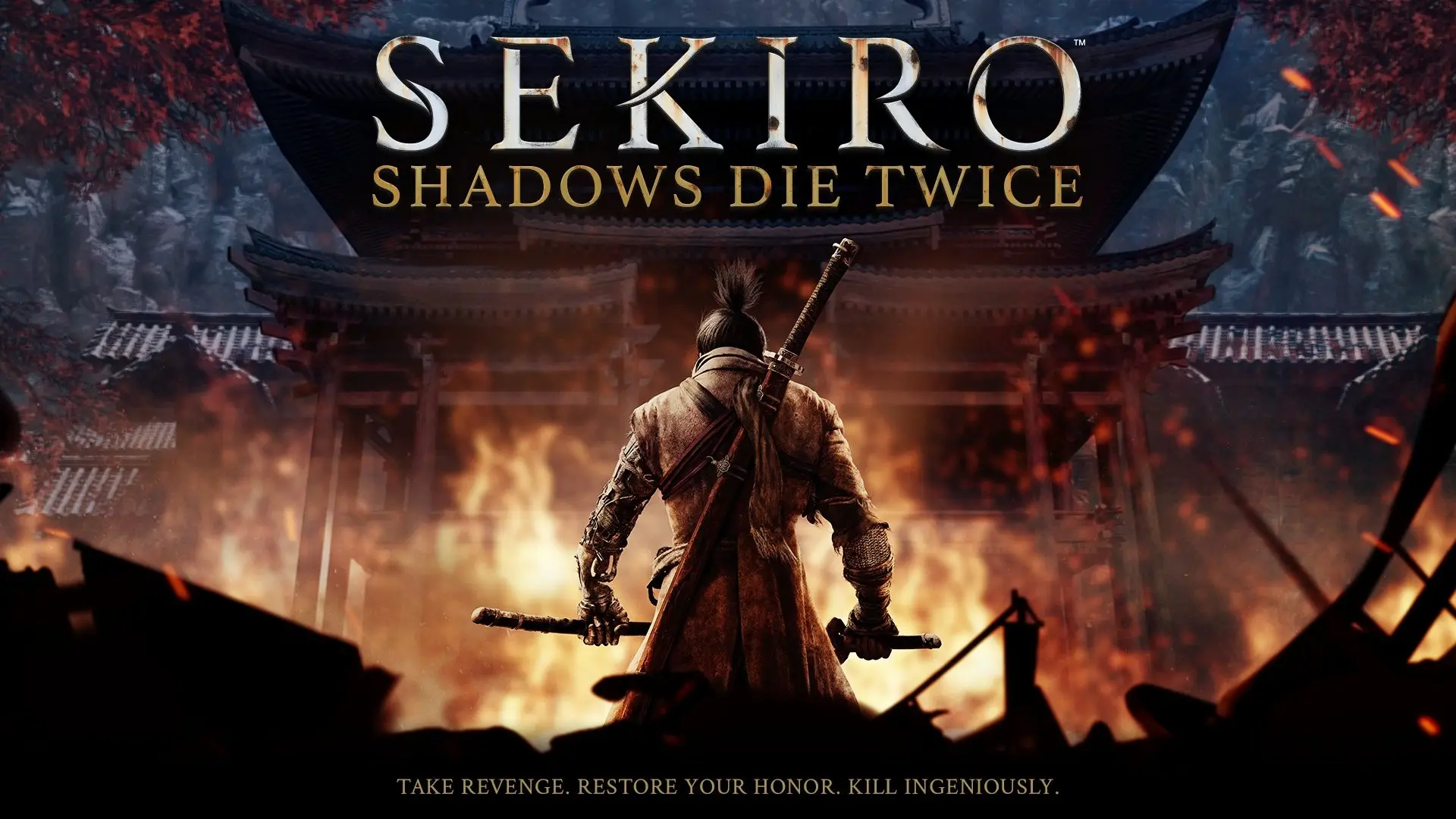
The backstory runs along two threads: one is Isshin Ashina seizing the land, the other is the Divine Dragon and the power of immortality. Start with Isshin. The land of Ashina was originally home to the Ashina clan, until the Interior Ministry's forces annexed it. Near the end of the Warring States period, the sword saint Isshin Ashina led the Ashina and their branch house — the Hirata clan, same lineage but a different surname — to defeat the Ministry's soldiers and reclaim the occupied territory. From your first conversation with Genichiro Ashina, Isshin's grandson, you learn that the head of the Hirata clan is Genichiro's uncle.
Isshin Ashina seizes the land
The Hirata clan's retainer shinobi is the giant ninja Owl, who adopted the protagonist Wolf on the battlefield; his defining feature is the mane of fur draped over his shoulders — the traditional Chinese localization renders his name as "Owl." At the same time, another masterless shinobi, the Monkey — later the sculptor at the Dilapidated Temple — gave his rice ball on the battlefield to Emma, who was a little girl back then. But the Monkey didn't raise Emma himself; he entrusted her to his friend, the physician Dogen, reasoning, after a few drinks, that following a physician was better than following a shinobi. Emma grew into a skilled healer and became Isshin Ashina's personal physician, learning his swordsmanship along the way. This contrast shows how differently the two shinobi turned out: the Monkey was the more good-natured of the two, while Owl, to reach his own ends, cared more about cultivating a right-hand man.
The Divine Dragon and the power of immortality
The other thread is the Divine Dragon. Depicted with the lower body of a cherry tree and the upper body of a one-armed dragon, it hails from a Western dragon homeland and drifted to Ashina. All the immortality in the game traces directly or indirectly back to the Divine Dragon — the Dragon's Heritage, the centipede hosts, and the Rejuvenating Waters. Of these three powers, the Dragon's Heritage is the most orthodox and the closest to the Divine Dragon itself. The Dragon's immortality needs a source of power: from the description of the "Divine Devouring" item, you can tell the Dragon's power must draw on the small local gods living among Ashina's grasses and trees, and the ancient land of Ashina nurtured a great many of these drainable small gods — which is why the Dragon chose to stay in Ashina. The same goes for the Dragon's Heritage: it has no effect on the bearer, but it drains the life force of those around them — the Dragon's Blood illness.
The Dragon's power also affected the water, and the Okami clan, who lived nearest the Divine Dragon atop the mountain, drank the water infused with immortality, came to worship the Dragon, and built the Fountainhead Palace, styling it a fairyland.
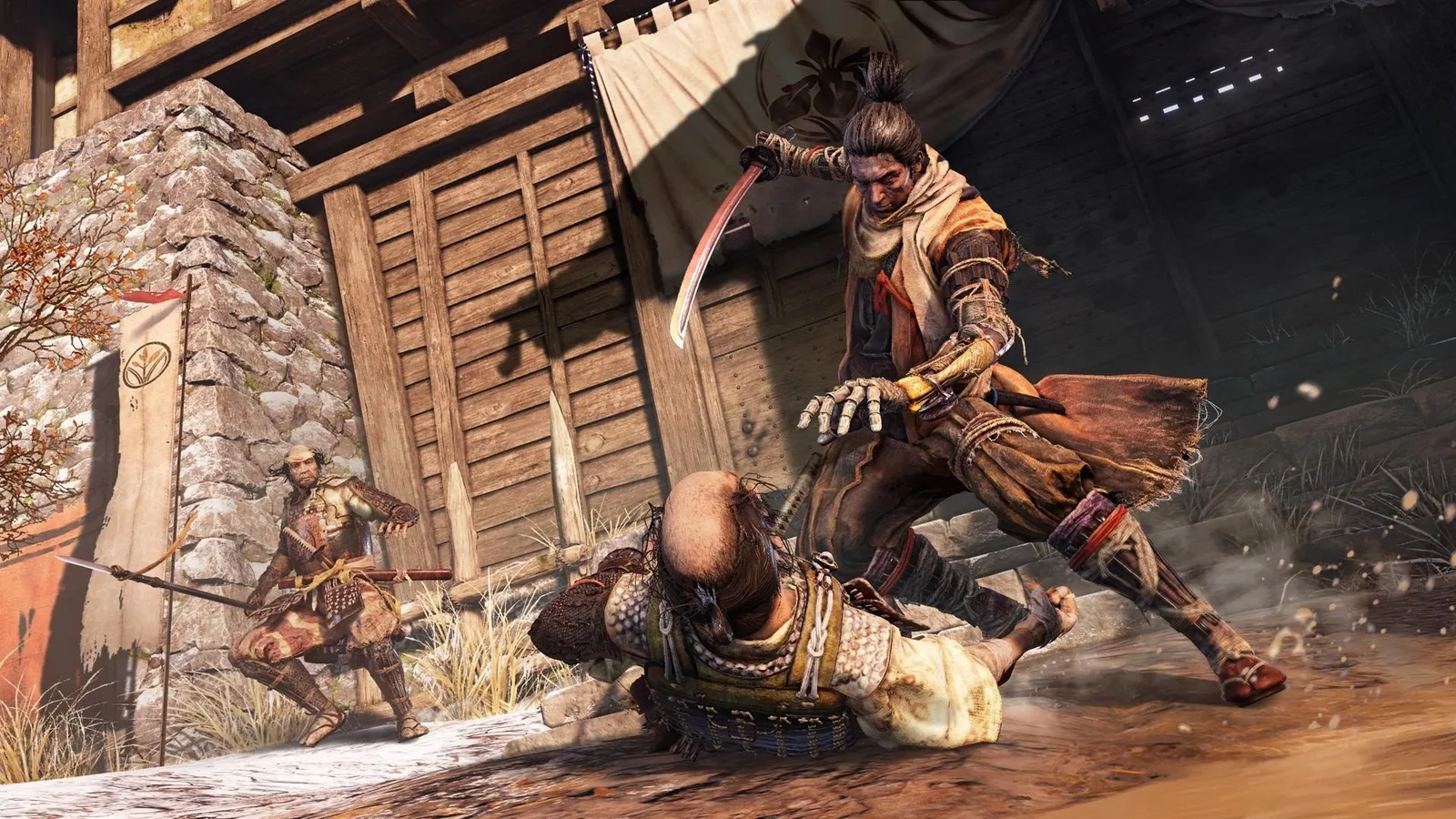
The first bearer of the Dragon's Heritage came from the Okami clan — Lord Takeru. Takeru and his attendant Lady Tomoe were most likely both women; the Okami's main fighting force was female, relying on dance-plus-attack (that mask you can assemble from three pieces to spend skill points on extra attack power) and lightning summoning as their primary means of attack, while the men were all serpent-bodied deviants. The Okami clan and the Fountainhead Palace deserve a fuller telling later. Takeru and Tomoe chose to leave home in search of a way to sever the Dragon's Heritage, befriended Isshin Ashina and Genichiro Ashina, and taught them the art of lightning summoning. They also left behind many notes that would later become crucial clues for Kuro and his shinobi Wolf in their quest to end immortality.
COMMENTS